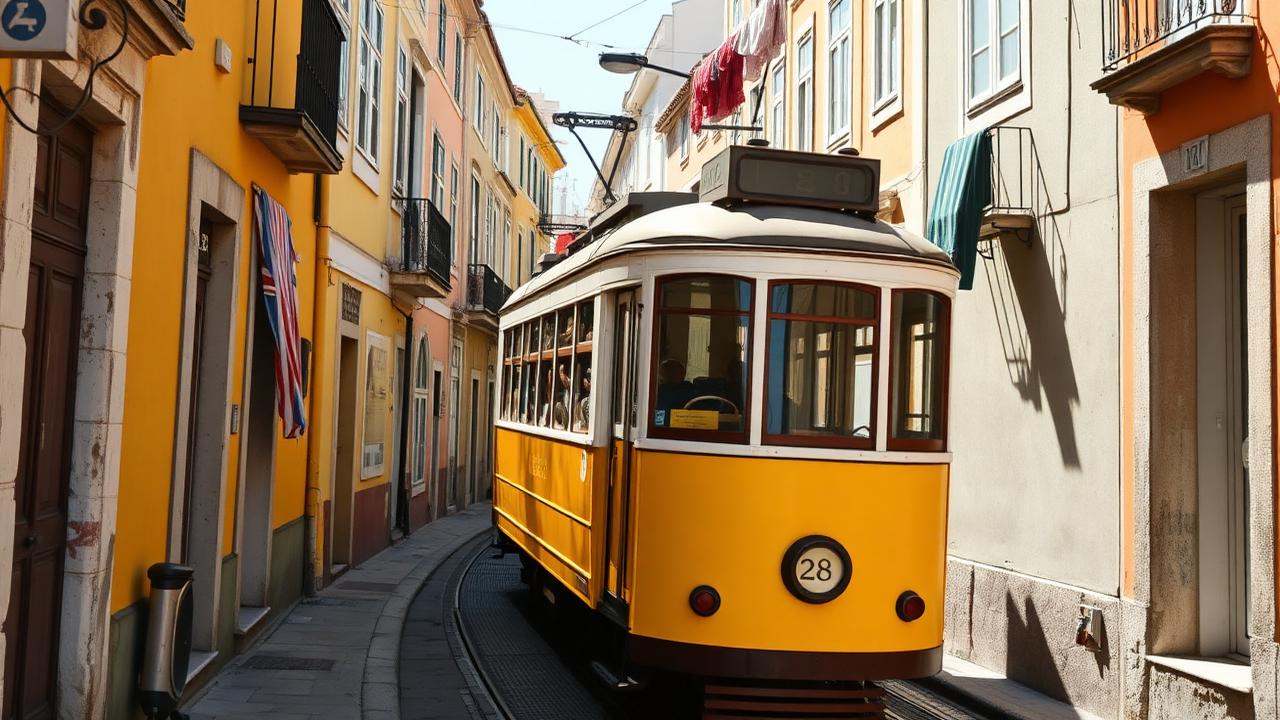
Lisbon, Portugal's stunning capital, captivates visitors with its colorful azulejo tiles, historic tramways, and breathtaking hilltop views. Whether you're a first-time visitor or returning to discover more, this comprehensive guide covers everything you need to know about what to do in Lisbon in 2025.
Historic Neighborhoods
Alfama is Lisbon's oldest district, a labyrinth of narrow streets where traditional fado music echoes from cozy restaurants. Climb to São Jorge Castle for panoramic views and explore the authentic character of this historic neighborhood.
Bairro Alto transforms from sleepy daytime streets to Lisbon's nightlife epicenter after dark. Browse vintage shops and art galleries by day, then enjoy the vibrant bar scene at night.
Belém showcases Portugal's Age of Discovery heritage. Visit the magnificent Jerónimos Monastery, a UNESCO World Heritage site, and don't miss tasting the famous pastéis de nata at Pastéis de Belém, serving these custard tarts since 1837.
Cultural Experiences
Lisbon's cultural scene thrives year-round. The MAAT (Museum of Art, Architecture and Technology) offers contemporary exhibitions in a stunning riverside building. The Calouste Gulbenkian Museum houses an exceptional collection spanning ancient to modern art.
Experience authentic fado music in Alfama or Mouraria. These intimate performances showcase Portugal's soulful musical tradition, recognized by UNESCO as Intangible Cultural Heritage.
Food & Dining
Portuguese cuisine shines in Lisbon. Start your day with pastel de nata and coffee at a traditional café. For lunch, explore Time Out Market, featuring stalls from Lisbon's top chefs. Fresh seafood is everywhere – try grilled sardines, octopus salad, or cataplana.
Don't miss bacalhau (salt cod) prepared in countless ways, and pair your meals with Portuguese wines from the Douro or Alentejo regions.
Getting Around
Lisbon's iconic yellow Tram 28 winds through historic neighborhoods – arrive early to avoid crowds. The metro system is efficient for longer distances, while funiculars and elevators help navigate the city's seven hills.
Consider a Lisboa Card for unlimited public transport and museum discounts. Walking is ideal for neighborhood exploration, though be prepared for steep streets and stairs.
Best Time to Visit
Spring (March-May) and fall (September-November) offer ideal weather with fewer tourists. Summers are hot and crowded but buzzing with festivals. Winter is mild compared to northern Europe, making Lisbon a year-round destination.
Day Trips
Sintra's fairy-tale palaces are 40 minutes away by train. Pena Palace, Quinta da Regaleira, and the Moorish Castle make for an enchanting day trip.
Cascais offers beaches and a charming coastal town atmosphere, while Óbidos' medieval walls and whitewashed houses transport you back in time.
Practical Tips
Most shops close for lunch (1-3 PM) and on Sundays. Restaurants serve dinner late by international standards (8 PM onwards). Tipping 5-10% is customary for good service.
Portuguese people speak English in tourist areas, but learning basic Portuguese phrases is appreciated. "Obrigado/a" (thank you) and "por favor" (please) go a long way.
Safety
Lisbon is generally very safe. Watch for pickpockets in crowded tourist areas and on public transport. Keep valuables secure, especially in busy markets and near major attractions.
Sustainable Tourism
Support local businesses, use public transport, and respect neighborhoods beyond tourist zones. Avoid contributing to overtourism by exploring lesser-known areas like Marvila or Graça.